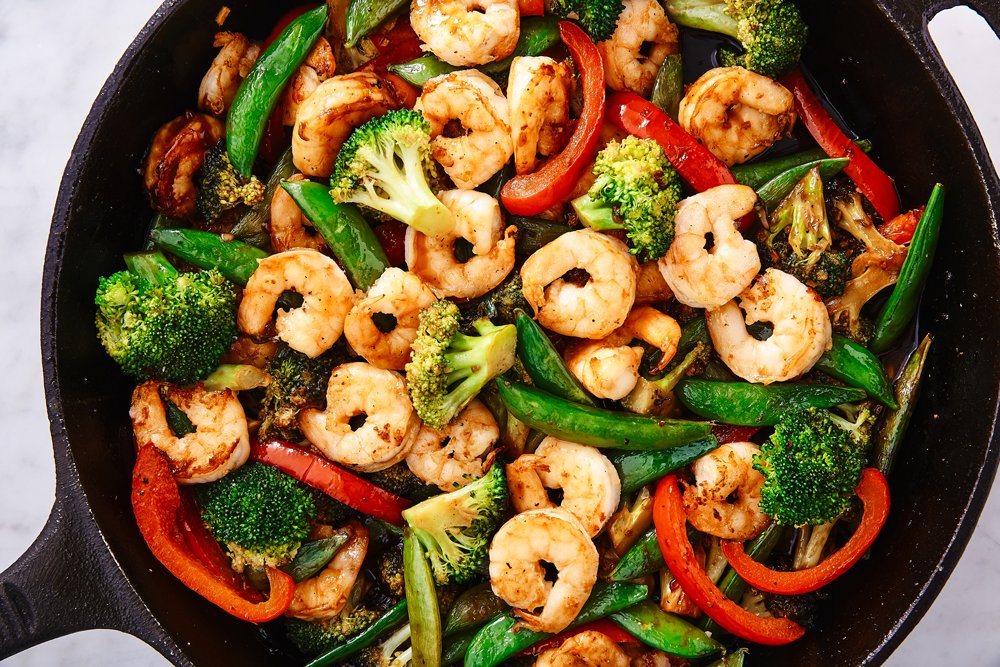
Secrets to Perfect Shrimp Stir Fry: Never Overcook Again!
Imagine a vibrant, healthy, and incredibly flavorful meal on your table in under 20 minutes – one that rivals your favorite takeout but boasts a homemade touch. This isn't a culinary fantasy; it's the reality of a perfectly executed quick shrimp stir fry. This versatile dish makes shrimp the star of the show, combining juicy crustaceans with crisp, colorful vegetables in a savory sauce. It’s no wonder shrimp is a go-to protein for busy weeknights: it’s affordable, packed with protein, and cooks incredibly fast.
However, there's a common culinary pitfall that can transform this delightful dish into a disappointment: overcooked shrimp. That rubbery, tough texture is the arch-nemesis of any shrimp lover. But fear not! In this comprehensive guide, we'll unlock the secrets to achieving succulent, tender shrimp every single time, ensuring your shrimp stir fry is nothing short of perfection.
The Art of the Perfect Shrimp Stir Fry: Why It's Your New Weeknight Go-To
Beyond its undeniable speed, a well-made shrimp stir fry offers a wealth of benefits. It's a fantastic alternative to calorie-heavy takeout, allowing you complete control over ingredients and nutrition. Rich in lean protein and bursting with fresh vegetables, it's a balanced meal that feels both indulgent and wholesome. Its inherent flexibility means you can adapt it to whatever ingredients you have on hand, making you feel like a master chef with minimal effort.
Prep Like a Pro: The Mise en Place Advantage
The golden rule for any successful stir-fry, especially a shrimp stir fry, is mise en place. This French culinary term, meaning "everything in its place," is absolutely critical. Stir-frying is a high-heat, rapid-cooking technique. Once your pan is hot, there's no time to chop vegetables or search for sauces. Having all your ingredients prepped, measured, and ready to go before you even turn on the stove is the single most important step for a smooth, stress-free cooking experience. This means:
- Peeling and deveining your shrimp.
- Chopping all your vegetables into uniform, bite-sized pieces.
- Minimizing your garlic.
- Whisking together your sauce ingredients in a bowl.
This organizational step transforms a potentially chaotic cooking process into a fluid, enjoyable one.
Selecting Your Star: Choosing the Right Shrimp
The quality of your shrimp directly impacts your final dish. For a truly satisfying shrimp stir fry, opt for large shrimp (21-25 count per pound is ideal). Larger shrimp are less prone to overcooking and offer a juicier bite. While fresh shrimp are always wonderful, high-quality frozen shrimp are a perfectly acceptable, and often more convenient, alternative. If using frozen, ensure they are thawed properly – usually by placing them in the refrigerator overnight or by submerging them in a bowl of cold water for about 15-20 minutes until pliable.
If your shrimp aren't already peeled and deveined, don't shy away from this task. It's a foundational kitchen skill that pays dividends for many shrimp recipes. Simply remove the shell (leaving the tail on for presentation is optional) and make a shallow incision along the back to remove the dark vein.
Mastering the Heat: The Secret to Succulent Shrimp, Every Time
This is where we tackle the primary challenge: how to cook shrimp perfectly without turning it into rubber. The key lies in understanding heat, timing, and visual cues.
The Hot Pan Principle
A roaring hot pan is fundamental to stir-frying. When you add shrimp to a hot pan, it sears quickly, locking in juices and preventing them from steaming (which leads to that unappetizing rubbery texture). Use a wok or a large skillet with high sides. For oil, vegetable oil is a great choice due to its high smoke point, making it suitable for high-heat cooking. Olive oil can also work, but keep an eye on the heat. For an aromatic twist, a drizzle of sesame oil can be added at the very end, but it has a lower smoke point and can burn easily if used for initial cooking.
Don't Crowd the Pan
This cannot be emphasized enough. Overcrowding your pan is a guaranteed way to overcook your shrimp. When too many shrimp are packed into the pan, they lower the pan's temperature dramatically. Instead of searing, the shrimp will release their moisture and steam, resulting in a tough, chewy texture. Cook your shrimp in a single layer, in batches if necessary, allowing ample space around each piece. It might add an extra minute or two to your cooking time, but it's crucial for achieving that tender, perfectly cooked result.
The Visual Cues: Knowing When It's Done
This is the ultimate secret to never overcooking shrimp again. Shrimp cook incredibly fast, often in just 2-3 minutes per side, depending on their size. Instead of relying solely on a timer, pay close attention to their appearance:
- Start: Raw shrimp are typically grey and translucent.
- Perfectly Cooked: As they cook, shrimp will gradually turn pink and opaque. The flesh will firm up, and they will curl into a gentle 'C' shape. This is the sweet spot.
- Overcooked: If they curl tightly into an 'O' shape, they have likely gone too far and will be rubbery.
As soon as you see that beautiful pink and opaque 'C' shape, they're ready to be removed from the pan.
The Residual Heat Factor
Even after you take shrimp off the heat, they continue to cook slightly from the residual heat. This is an important consideration. To ensure maximum tenderness, remove the shrimp from the pan *just* as they reach that perfectly pink and opaque stage. It's better to undercook them ever-so-slightly than to overcook them. You can always add them back into the hot stir-fry sauce for a final quick toss at the very end to finish cooking.
Crafting Your Flavorful Shrimp Stir Fry: Beyond the Shrimp
While perfectly cooked shrimp are the star, a great shrimp stir fry is a symphony of flavors and textures, with fresh vegetables and a balanced sauce playing crucial supporting roles.
The Symphony of Vegetables: Freshness and Variety
The beauty of a shrimp stir fry lies in its flexibility when it comes to vegetables. You can truly customize your shrimp stir fry with whatever fresh produce you have on hand. Classic choices include:
- Broccoli florets
- Sliced bell peppers (red, yellow, or orange for color)
- Snap peas or snow peas
- Thinly sliced carrots
- Zucchini or yellow squash
- Mushrooms
- Bok choy
Remember to cut your vegetables to a similar size for even cooking. For those with varying cooking times, add the harder, denser vegetables (like carrots or broccoli) first, allowing them a minute or two head start before adding softer, quicker-cooking vegetables (like bell peppers or snap peas).
Building the Sauce: The Umami Punch
The sauce is the soul of your shrimp stir fry, bringing all the elements together with a rich, savory, and sometimes spicy kick. A typical base includes:
- Soy Sauce: The foundation of umami flavor. Use tamari for a gluten-free option.
- Oyster Sauce: Adds depth, sweetness, and a lovely glossy finish. If you want to skip it, hoisin sauce or even more soy sauce can work as a substitute, though the flavor profile will shift slightly.
- Sesame Oil: For a nutty aroma, best added at the very end.
- Fresh Garlic: Absolutely essential for vibrant flavor. Minced garlic cloves are a must; garlic powder can be a quick substitute in a pinch (use about 1/8 teaspoon per clove).
- Crushed Red Pepper Flakes: Optional, but highly recommended for a touch of heat.
Consider adding a touch of cornstarch slurry (cornstarch mixed with a little water) to your sauce for a thicker, more cohesive consistency that coats the ingredients beautifully.
Bringing It All Together: A Step-by-Step Guide for Success
With all your ingredients prepped and your knowledge of perfect shrimp cooking, assembling your shrimp stir fry is a breeze:
- Prepare Your Ingredients: As discussed, have everything peeled, chopped, and measured.
- Cook the Shrimp: Heat your wok or large skillet over high heat with a tablespoon of high-smoke-point oil. Add shrimp in a single layer and cook for 1-2 minutes per side until pink and opaque. Remove immediately and set aside.
- Stir-Fry Vegetables: Add another tablespoon of oil if needed. Add harder vegetables first (e.g., carrots, broccoli) and stir-fry for 2-3 minutes. Then add softer vegetables (e.g., bell peppers, snap peas) and continue to stir-fry for another 2-3 minutes until tender-crisp.
- Combine and Sauce: Return the cooked shrimp to the pan with the vegetables. Pour in your pre-mixed stir-fry sauce. Toss everything together quickly for about 1 minute, allowing the sauce to thicken slightly and coat all the ingredients.
- Serve Immediately: Garnish with chopped green onions or a drizzle of sesame oil, and serve your perfect shrimp stir fry over steamed rice or noodles.
This delicious garlic shrimp stir fry takes approximately 10 minutes of prep time and just 10 minutes of actual cooking, making a total of 20 minutes for a complete, satisfying meal.
Armed with these secrets, you're now ready to conquer the kitchen and create a truly spectacular shrimp stir fry. Say goodbye to rubbery shrimp and hello to succulent, flavorful bites every single time. This quick, healthy, and endlessly customizable dish is about to become a permanent fixture in your weeknight meal rotation. Happy cooking!
